

Obsidian Entertainment has become the latest Xbox studio to be linked with Microsoft’s reported restructuring plans, although conflicting reports have created uncertainty over the developer’s future.
Recent claims suggested that Obsidian, the acclaimed studio behind Fallout: New Vegas, was among several Xbox-owned developers attempting to avoid closure as Microsoft continues evaluating its gaming business. However, another well-known industry reporter has disputed those claims, stating that the studio is not at risk of being shut down.
The conflicting reports arrive during a period of heightened speculation surrounding Microsoft’s gaming division, which has faced growing scrutiny over potential cost-cutting measures.
Report Claims Several Studios Face Uncertain Future
According to a report from The Game Business, several Xbox Game Studios are reportedly engaged in discussions with Microsoft as the company reassesses its first-party portfolio.
The report named Compulsion Games, Ninja Theory, Double Fine, Undead Labs, and Obsidian Entertainment among studios allegedly affected by the ongoing negotiations.
The publication claimed Microsoft is seeking ways to improve profitability while adopting a faster-paced operating strategy under Xbox CEO Asha Sharma. The report also suggested that some studio leaders have expressed concerns that business decisions are increasingly being influenced by consultants rather than development teams.
Obsidian Released Three Games in a Year
Obsidian has remained one of Xbox’s most active first-party studios.
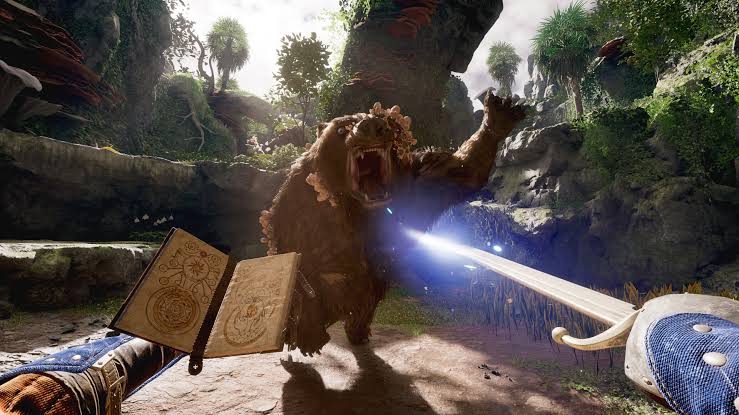
Over the past year, the developer released Avowed, Grounded 2, and The Outer Worlds 2. While each title received generally favorable critical reviews, the report suggested their commercial performance may not have matched Microsoft’s broader financial expectations.
According to the report, even significantly stronger sales from those releases would not have compensated for weaker results from some of Microsoft’s largest gaming franchises.
Call of Duty Performance Reportedly Added Pressure
The report also claimed that internal frustration has been fueled by the performance of Call of Duty: Black Ops 7, which reportedly received criticism over aspects of its campaign, its Endgame mode, and the use of AI-generated artwork.
Because blockbuster franchises such as Call of Duty, Candy Crush, Minecraft, and Warcraft generate a substantial share of Microsoft’s gaming revenue, the report argued that the financial contribution of smaller first-party releases can appear relatively modest by comparison.
Bloomberg Reporter Disputes Shutdown Claims
Shortly after the report was published, Bloomberg journalist Jason Schreier challenged one of its central claims.
In a post on Bluesky, Schreier said he could confirm that Obsidian is not negotiating to avoid closure. Citing sources familiar with Microsoft’s plans, he stated that the studio is expected to remain part of Xbox despite broader uncertainty surrounding layoffs and restructuring efforts.
Schreier added that additional details regarding Microsoft’s plans are expected to become clearer in the coming days.
Obsidian Remains One of Xbox’s Key Studios
Obsidian is widely regarded as one of the industry’s most respected role-playing game developers.
The studio is best known for creating Fallout: New Vegas, Pillars of Eternity, The Outer Worlds, and more recently Avowed. Its reputation has only grown following renewed interest in the Fallout franchise after the success of Amazon’s television adaptation.
Given the studio’s extensive portfolio and experienced development team, many industry observers believe Obsidian would remain a highly valuable asset regardless of Microsoft’s long-term strategy.
Microsoft has not publicly commented on the reports or confirmed any plans involving Obsidian or other Xbox Game Studios.
Until the company provides official clarification, the future of several first-party studios remains uncertain. For now, conflicting reports leave Obsidian’s position unresolved, with one publication suggesting the studio faces serious challenges while another insists it remains secure within Microsoft’s gaming division.